

14 Aug What the northeast wind is and its origin
Understanding the behavior of the wind is the golden rule for any sailor. When hoisting sails, every compass heading marks entirely different meteorological and ocean conditions. Among the different wind types that batter or caress our coasts, the northeast wind stands out as one of the most interesting and influential atmospheric flows for sports and recreational boating.
In this guide, we will analyze where the wind comes from when it marks this heading, how it transforms on different coasts, and how to master it on your next trip to sea.
What the northeast wind is and its origin
To understand this phenomenon, we must first look at the wind direction on the compass rose. We talk about a northeast wind when the air flows from 45 degrees (between north and east) towards the southwest. But exactly where does the wind come from meteorologically speaking? It is generally born from the interaction between a powerful anticyclone located in the British Isles or central Europe, and a low-pressure area to the south.
When observing the wind in Spain, we discover that this continental flow takes on very different names, temperatures, and humidity levels depending on the sea it touches. If we review the regional wind types:
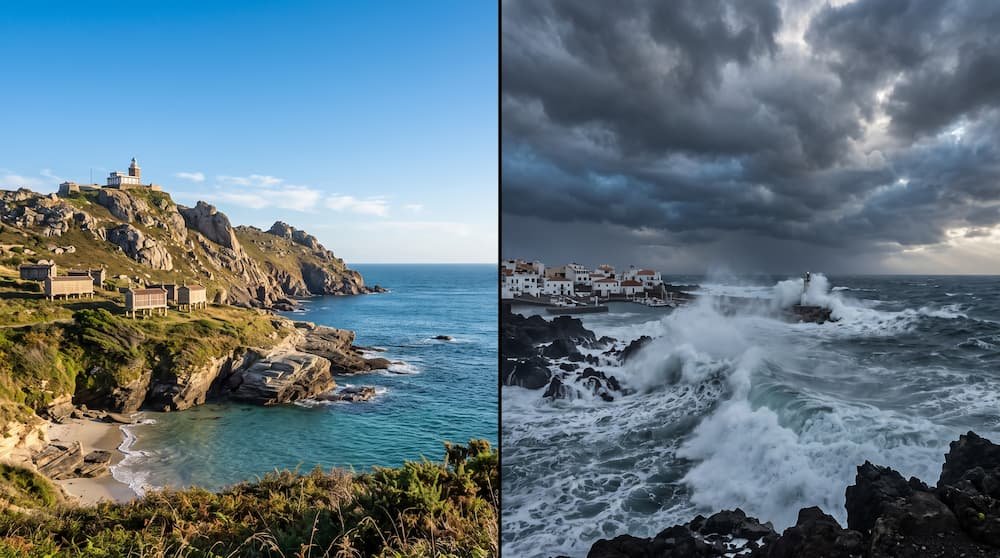
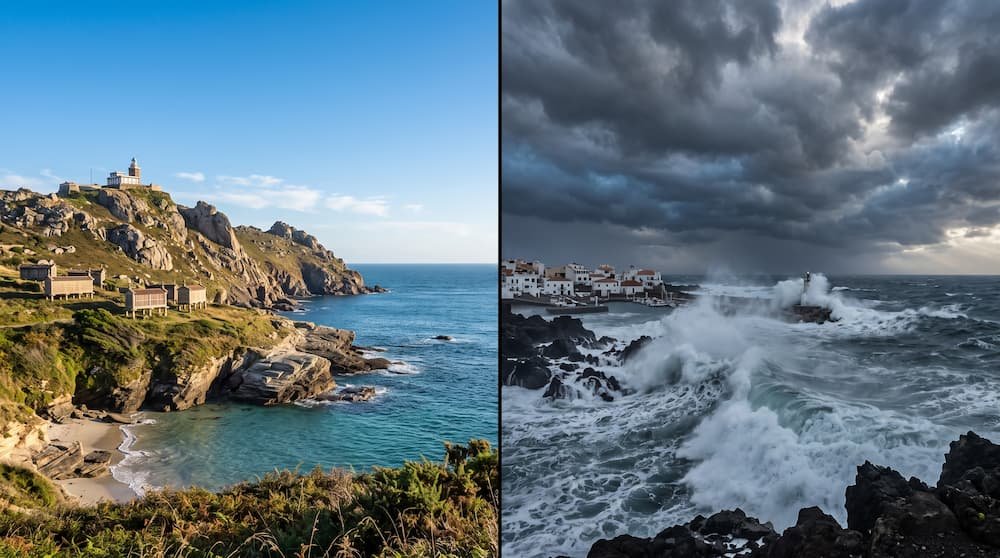
- In the north and northwest: The Galicia wind and Cantabrian coast wind receives the famous name of Nordés. Here, the sea wind sweeps away clouds, brings clear skies, and significantly cools the water due to the marine upwelling phenomenon.
- In the Mediterranean and Balearic Islands: Across the entire eastern side of northeastern Spain and the peninsular levant, this same heading is historically known as Gregal. Unlike the Atlantic, it arrives loaded with moisture here, frequently generating storms and heavy swells in winter.
- In the south: It brings a much drier and thermal dynamic, like the famous Andalusian morning land breeze (terral). Generally, the wind in Spain changes radically from one coast to another even if the compass marks the same heading.
How it affects sailing and boating
Any skipper knows that the relationship between the sea and wind is indivisible. Mastering the wind strength from the northeast requires technique and anticipation, as its characteristics completely modify the playing field.
- Offshore conditions: On south and west-facing coastlines, the northeast acts as an offshore wind. This causes a peculiar phenomenon: near the coast, the sea surface is completely flat, creating ideal conditions for beginners. However, as you move away from the mainland, the wind speed and choppy seas increase drastically without the protection of the coastal terrain.
- Trimming adjustments: Being of continental origin, it is usually a gusty flow. The sailboat must be prepared to absorb sudden wind gusts. Good sheet trimming and mainsheet traveler control are vital to flatten sails if the wind strength rises unexpectedly.
- Precautions: Never underestimate the wind strength blowing off the land. For smaller vessels, paddleboards, or dinghy sailing, the wind current pushes you out to sea. If you haven’t mastered sailing upwind to return, the sea wind will quickly push you away from your home port.
The northeast wind in the Bay of Cadiz
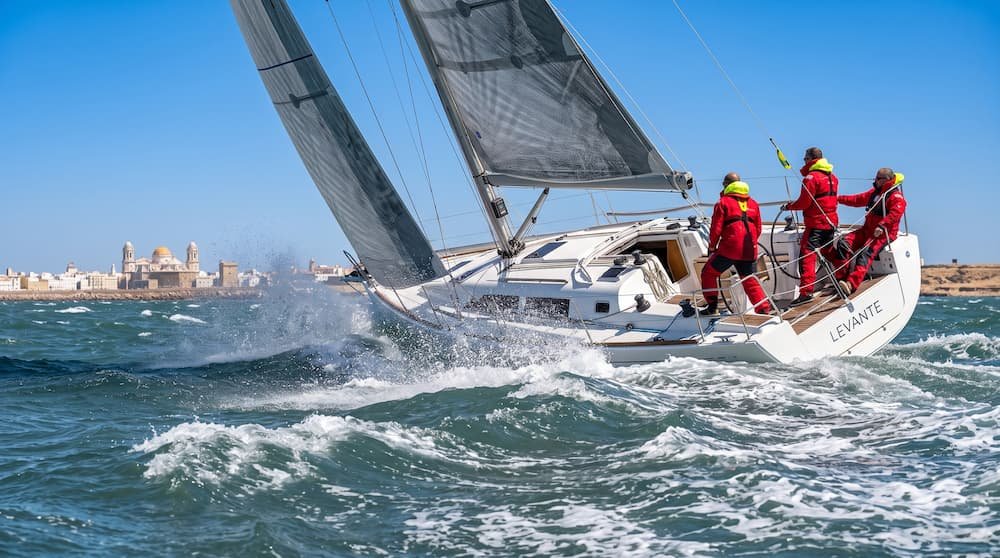
When we talk about nautical meteorology on the Cadiz coast, the undisputed protagonist is usually the Levante wind or the Poniente. However, the arrival of the northeast component plays a fundamental tactical role in the Bay of Cadiz.
During many early mornings, the temperature difference between land and sea generates a gentle land breeze (terral). Under these conditions, the El Puerto de Santa Maria wind usually settles in the northeast, leaving the inner bay as smooth as glass. This morning scenario is also repeated, leaving an excellent Rota wind for the first tacks of the day, and a San Fernando wind that completely flattens the creeks and inner channels of the area. It is the perfect time for sailing schools or rowing practice before the thermal sea breeze shifts.
Experience and services at Puerto Sherry
The Bay of Cadiz is considered one of the best racecourses in the world precisely because of the predictability, variety, and quality of its winds. Knowing how to interpret atmospheric flows and take advantage of them is the essence of sailing.
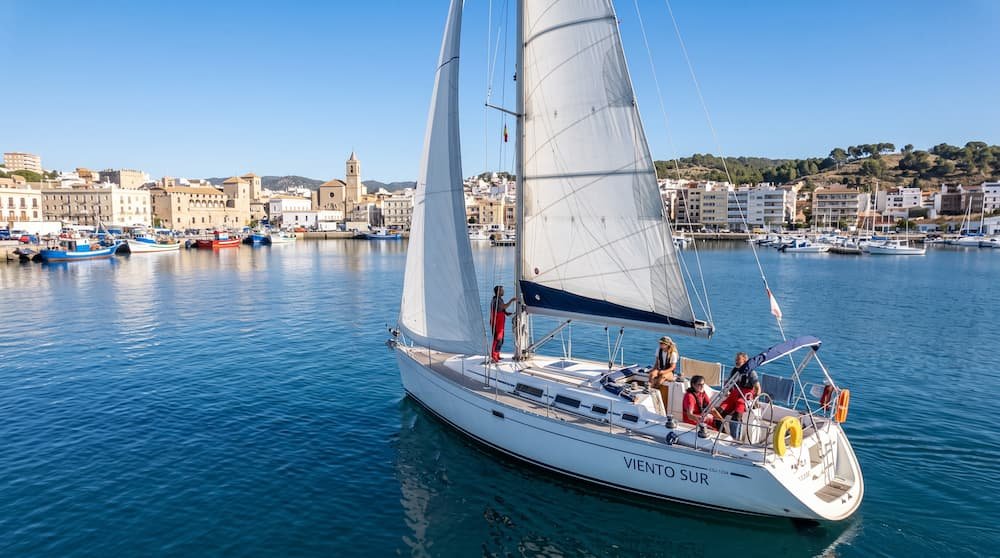
At the Puerto Sherry Yacht Club, located in an unbeatable geographical spot, we live with the sea 365 days a year. Whether with gentle northeast breezes for learning or challenging gales for elite racers, our facilities are prepared to offer you the best nautical experience.
We invite you to master the waves and the wind with us. Discover our offer of sailing courses for all levels, secure your boat in our protected moorings, or enjoy an unforgettable day with our boat rental service. The sea awaits you at Puerto Sherry.