

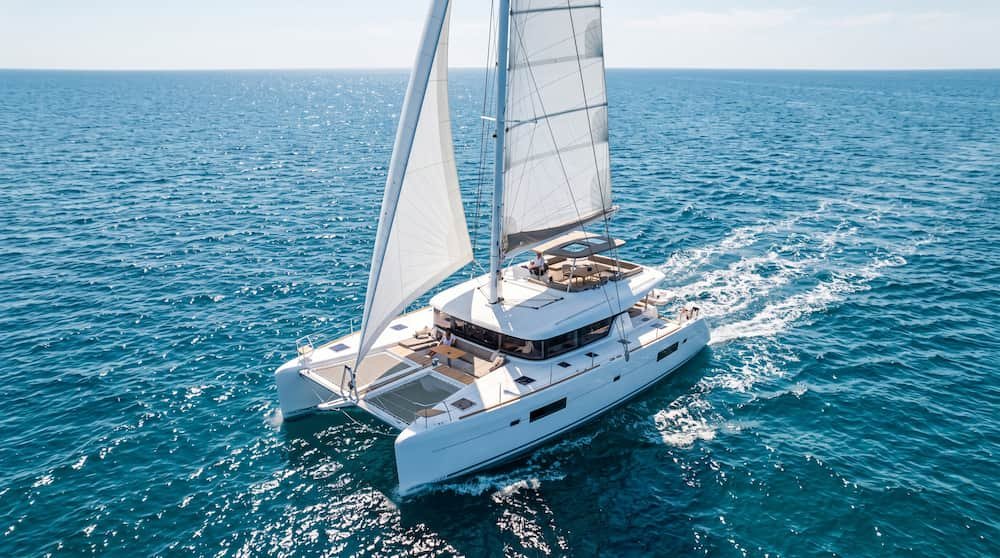
16 Oct Types of Sailboats: A Complete Guide from Classic Sailing Ships to Catamarans
Sailboats are fascinating vessels that have been the driving force of humanity throughout history. From the ancient days of maritime exploration along the coast of Cadiz to the modern regattas at our Yacht Club, the sailing ship has evolved enormously.
If you are passionate about the sea and want to know the different types of boats, their features, and uses, in this Marina Puerto Sherry guide we explore all types of sailing vessels in depth, from nimble sailing dinghies to imposing ancient frigates.
Modern Types of Sailing Vessels
When we talk about a sailboat navigating today, we usually refer to vessels designed for pleasure, sports, or long voyages. These are the main types of sailboats you can find moored in our marina:
Sloop and Cutter (Single-Masted)
Sloop: It is the most common and popular type of sailboat. Its boat rigging consists of a single mast and two main sails: the mainsail and the headsail (Genoa or jib). This simplicity makes it ideal for solo sailors or couples.
Cutter: Similar to the sloop, but with the mast positioned slightly further aft to allow for a smaller mainsail and multiple headsails (such as a staysail). It is excellent for long passages with variable winds.
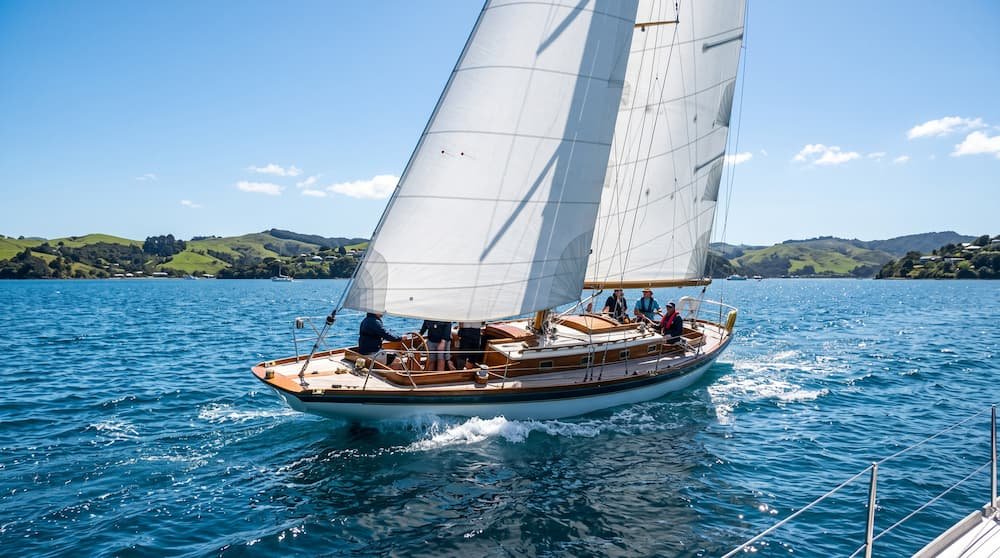
Ketch, Yawl, and Schooner (Multi-Masted)ç
Ketch: Features two masts. The mizzen mast is located aft, but forward of the rudder post. This division of the sail plan makes it easier to sail in strong winds.
Yawl: Very similar to the ketch, but its mizzen mast is smaller and located aft of the rudder post, offering perfect balance in the water.
Schooner: Known for their classic elegance, they have two or more masts, with the aft mast being the tallest or equal to the foremast. They offer unmatched maritime aesthetics.
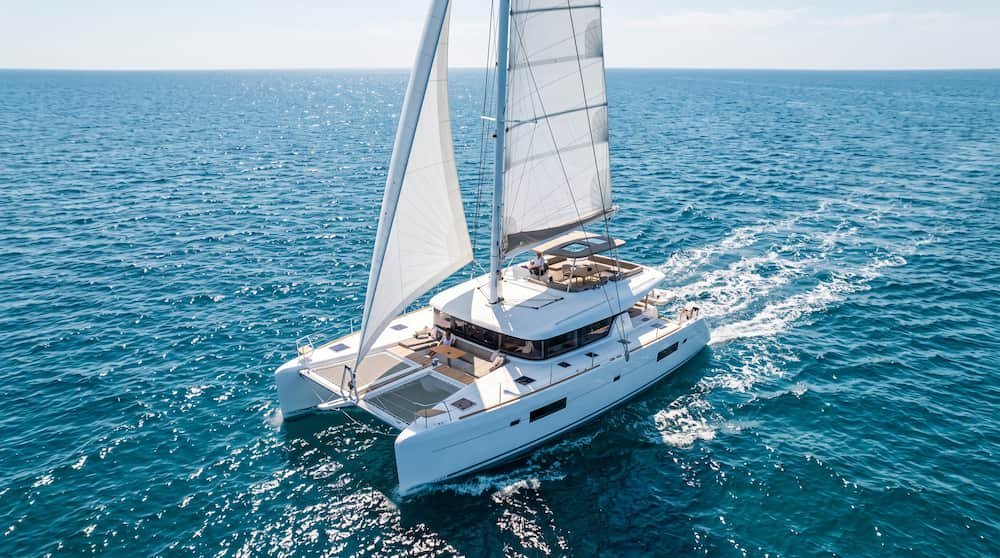
Multihulls: Catamaran and Trimaran
Catamaran: Has two parallel hulls joined by a central deck. It offers exceptional stability and vast deck space, perfect for pleasure cruising and navigating in shallow waters.
Trimaran: Featuring a central hull and two lateral outriggers (floats), they are designed for extreme speed and are very popular in high-performance racing.
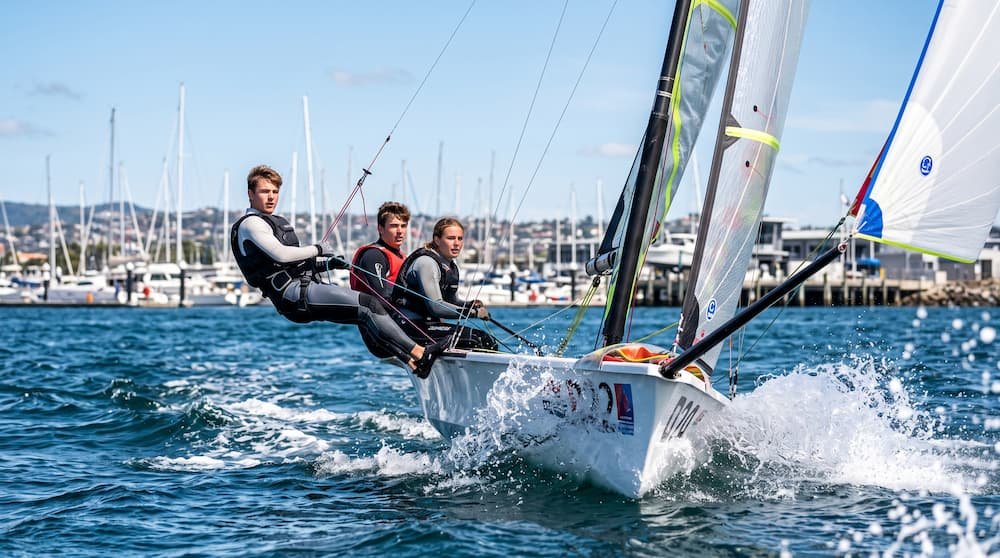
Dinghies and Racing Sailboats
Dinghy sailing (vela ligera) is the gateway to the sea. From small Optimists for children to training dinghies, these are unballasted vessels that rely on the crew’s weight to prevent capsizing. On the other hand, racing sailboats prioritize hydrodynamic performance for top-level competitions.
Recreational Sailboats (Cruisers)
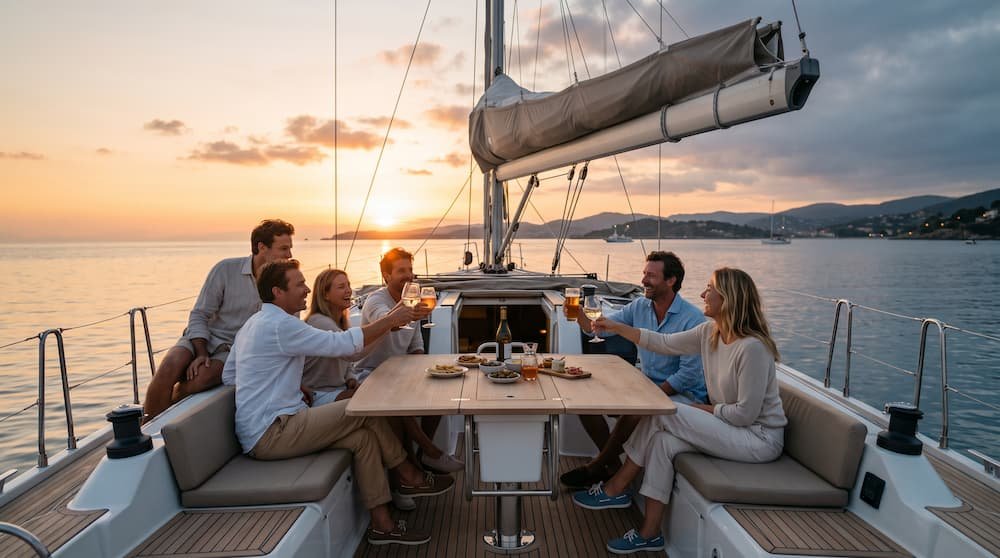
If you are wondering what a sailboat is in its most relaxed conception, the recreational cruiser is the answer. Designed for comfort, they offer spacious cabins and ease of handling so that the sailing experience focuses on enjoying the scenery and the company.
A Brief Naval History: Ancient Types of Sailing Ships
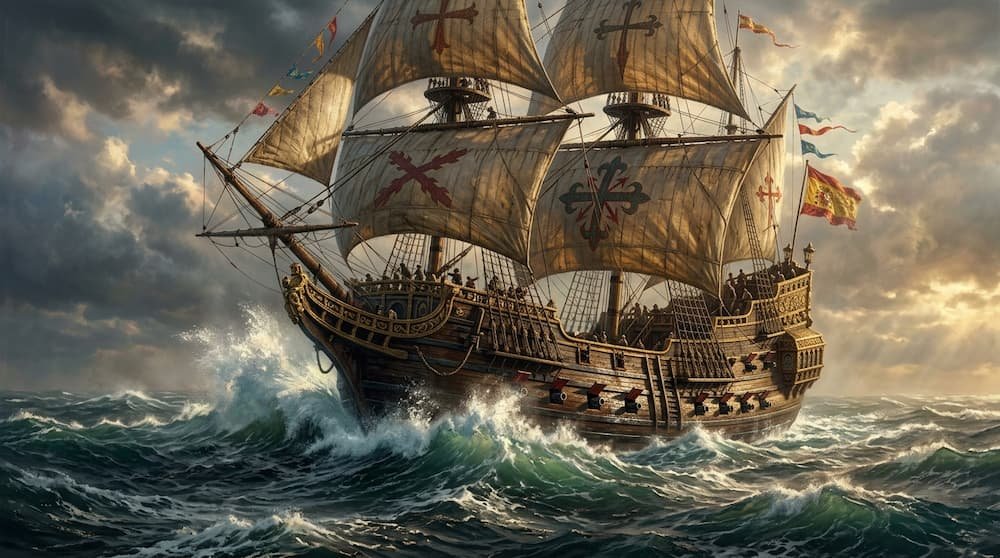
Maritime history would not be complete without the ancient types of sailing ships. These vessels were crucial for trade and warfare:
- Medieval Ships: The medieval cog, which emerged in the 10th century, dominated the northern seas with its round hull. It later evolved into the carrack, deep-draft ships capable of crossing oceans.
- Naos and Caravels: Famous for exploration routes. The caravel, lighter and with lateen sails, was more maneuverable than the heavy naos.
- Galleons and Ships of the Line: The Spanish galleon combined cargo capacity and artillery firepower. Later, the ship of the line became the king of warship types, true floating wooden fortresses.
- Ancient Frigates and Corvettes: Frigates emerged in the early 18th century as more robust and faster warships than the heavy ships of the line, while corvettes carried out agile escort and reconnaissance missions.
Basic Sailboat Parts and Rigging
To truly understand these vessels, it is useful to know some basic sailboat parts. Beyond the hull and the mast, the boat rigging includes vital elements: Shrouds (obenques) are the steel cables that support the mast laterally so it doesn’t fall. On ancient ships, you could see the crow’s nest (cofa), that elevated platform on the masts used for keeping watch. Finally, mastering the types of boat sails (mainsail, genoa, spinnaker) is the first step to becoming a true sailor.
Your Next Voyage Starts at Marina Puerto Sherry
Whether you own a racing sailboat ready for the regatta or are looking to enjoy a quiet recreational cruise with your family, Marina Puerto Sherry is your home in the Bay of Cadiz.
We have modern pontoons ready to accommodate any type of vessel, from small sailboats to large catamarans. Furthermore, our Yacht Club offers you the perfect atmosphere to share maritime stories, participate in competitions, and train in dinghy sailing. Adjust your rigging, hoist the sails, and set a course for the best facilities in southern Spain!
Frequently Asked Questions (FAQ)
Any vessel propelled primarily by the action of the wind on its sail rigging is generically called a “sailboat” or a “sailing boat”.
Modern sailboats are classified mainly according to their number of masts and hulls. The most common are the Sloop (one mast), the Ketch and the Yawl (two masts), Schooners (two or more masts), and multihulls like the Catamaran (two hulls) and the Trimaran (three hulls).
Small sailboats are generically referred to as “dinghies” or “light sailboats”. Some of the most well-known models for learning and racing are the Optimist, the Laser, or the Snipe.
Naval history features numerous classic sailing vessels. Among the most prominent are the medieval cog, the carrack, the nao, the caravel, the galley, the galleon, the ship of the line, the corvette, and the frigate.
Throughout history, some vessels have left their mark. Ten iconic examples are: The Santa Maria, The Pinta, The Niña (Columbus’s expedition), the Nao Victoria (first circumnavigation), the Santisima Trinidad, the HMS Victory, the Cutty Sark, the HMS Beagle, the training ship Juan Sebastian de Elcano, and the frigate Numancia.